


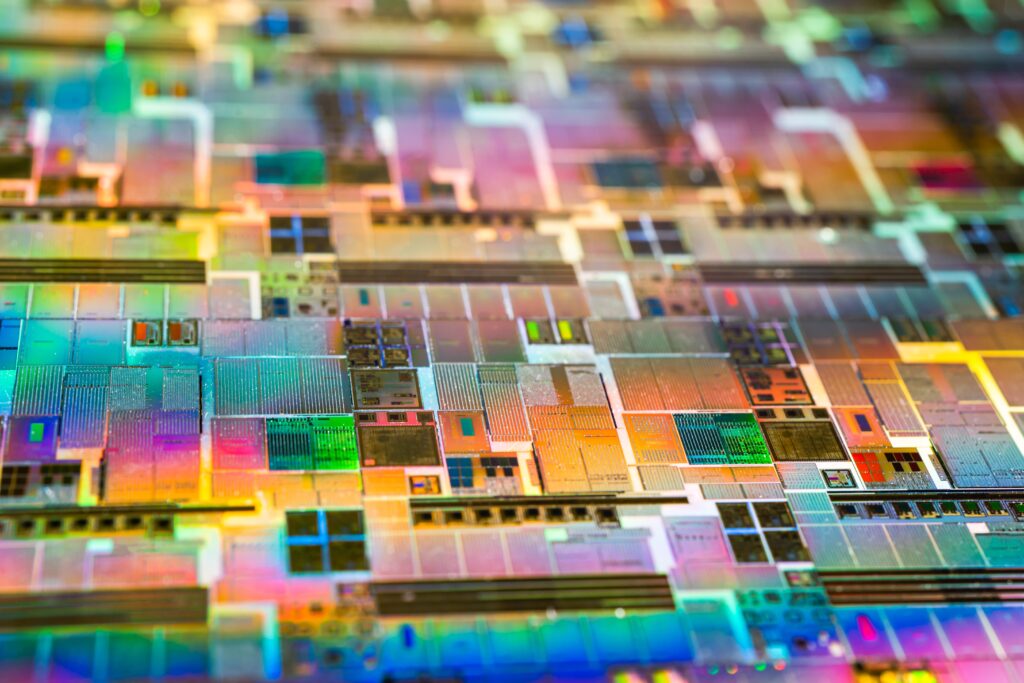
1. What Is a Chip?
Whether we realize it or not, we interact with chips almost every moment of our daily lives. When our phone alarm rings, our computer starts up, our car engine runs, we pay with a bank card, or even when our washing machine begins a cycle, an invisible component is constantly at work: the chip.
So, what exactly is a chip?
In the simplest terms, a chip is a tiny electronic circuit that processes information and carries out instructions using electrical signals. Inside a piece only a few centimeters across are millions, and today often billions, of tiny electronic switches called transistors.
You can think of transistors like the light switches in a room. Each switch has only two states: on or off. By themselves, they seem very simple. But when billions of them work together, they can take photographs, play videos, connect to the internet, run artificial intelligence models, or even control a spacecraft.
Despite being called the “brain” of many devices, chips do not think for themselves. A more accurate description is that they are electronic systems capable of carrying out instructions at extraordinary speeds. They do not make their own decisions; they simply execute the rules they have been designed to follow.
Chips are found far beyond computers. Today they are built into cars, airplanes, smartphones, smartwatches, televisions, game consoles, medical equipment, industrial robots, and thousands of other electronic products.
If there are two technologies that form the foundation of modern life, they are the internet and chips. Nearly every device that connects to the internet, processes information, or performs electronic functions contains at least one chip. Most of the time we never see them, yet without them, much of the technology we rely on every day simply would not work.
2. Is a Chip the Same Thing as a Processor?
No. In everyday conversation, these two terms are often used interchangeably. In reality, however, a processor is just one type of chip.
The Central Processing Unit (CPU) is the chip responsible for executing and managing the instructions a computer or smartphone receives. Tasks such as opening a program, playing a video, or saving a file are primarily handled by the CPU. For this reason, it is often referred to as the brain of the device.
However, a smartphone contains much more than just a processor.
For example:
• Memory chips store information.
• Graphics Processing Units (GPUs) generate images and graphics.
• Modem chips provide Wi-Fi and cellular connectivity.
• AI chips accelerate tasks such as image recognition, voice processing, and machine learning.
• Security chips protect fingerprints, encryption keys, and personal data.
In other words, the processor is only one member of a much larger team.
One of the best examples of this is the System on a Chip (SoC), a term commonly used in smartphones. An SoC integrates multiple components, including the CPU, GPU, AI engine, memory controller, and communication modules, onto a single chip. This integration makes devices both smaller and more energy efficient.
In short, every processor is a chip, but not every chip is a processor.
3. What Do Chips Do?
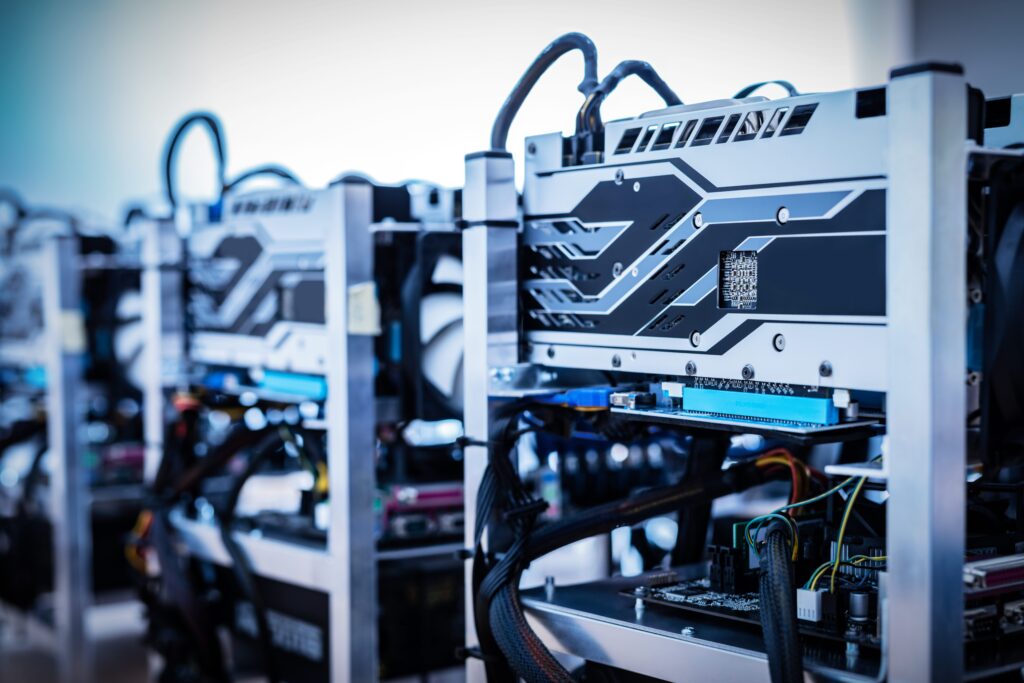
The primary role of a chip is to process, store, transfer, and control information.
Nearly every electronic device we use today relies on one or more chips to perform its functions. Electronic devices cannot make decisions on their own. Instead, they depend on electronic circuits that continuously process information and execute instructions.
Take your smartphone camera as an example. When you tap the shutter button, much more happens than simply taking a picture. Within a fraction of a second, multiple processes take place simultaneously:
• The camera sensor detects light.
• An image processing chip processes the photo.
• An AI chip recognizes faces or objects.
• A memory chip stores the image.
• The processor coordinates the entire operation.
All of this happens almost instantly.
The same is true for modern cars. Chips constantly regulate fuel delivery, monitor the braking system, determine whether airbags should deploy, manage driver assistance systems, and send information to the vehicle’s displays.
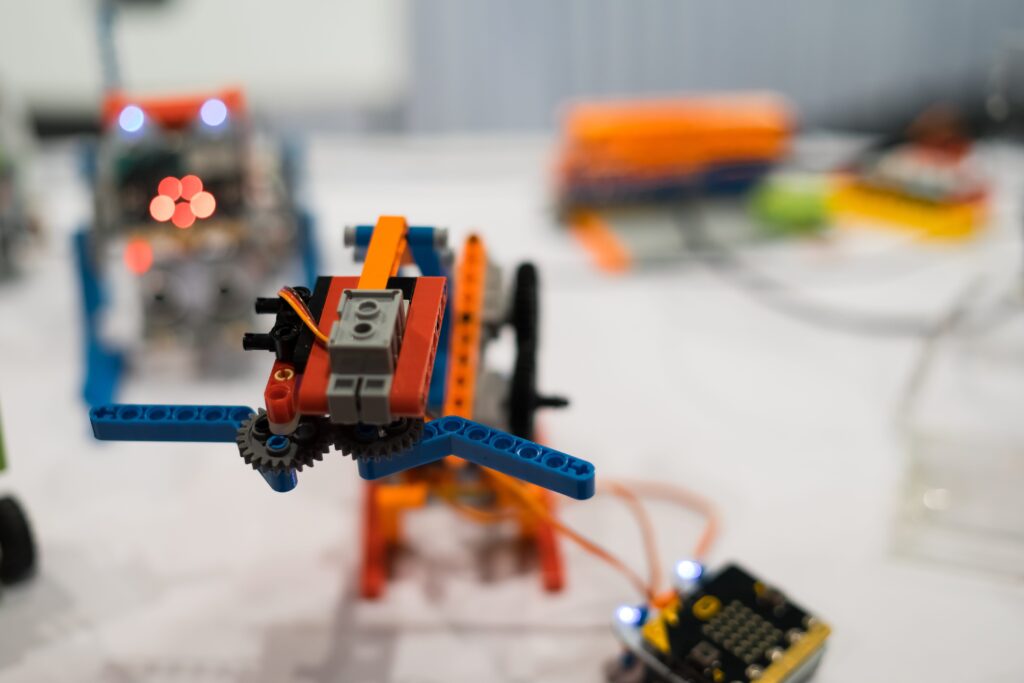
In smart TVs, chips process video signals. In game consoles, they generate three-dimensional graphics. In smartwatches, they monitor heart rate. In robots, they analyze data from sensors and control movement.
Some chips are designed for only one specific task. For example, a microwave oven may contain a small control chip responsible only for managing cooking time and temperature. At the other end of the spectrum, advanced AI chips used in data centers can perform trillions of calculations every second.
In many ways, the “personality” of an electronic device is determined not only by its hardware but also by the chips inside it.
Without chips, smartphones would be nothing more than plastic and metal shells. Computers would not be able to perform calculations, cars could not operate their electronic systems, and the internet would never have reached the speed and capabilities we know today.
For this reason, chips are the silent but indispensable workers behind modern technology.
4. What Everyday Devices Contain Chips?
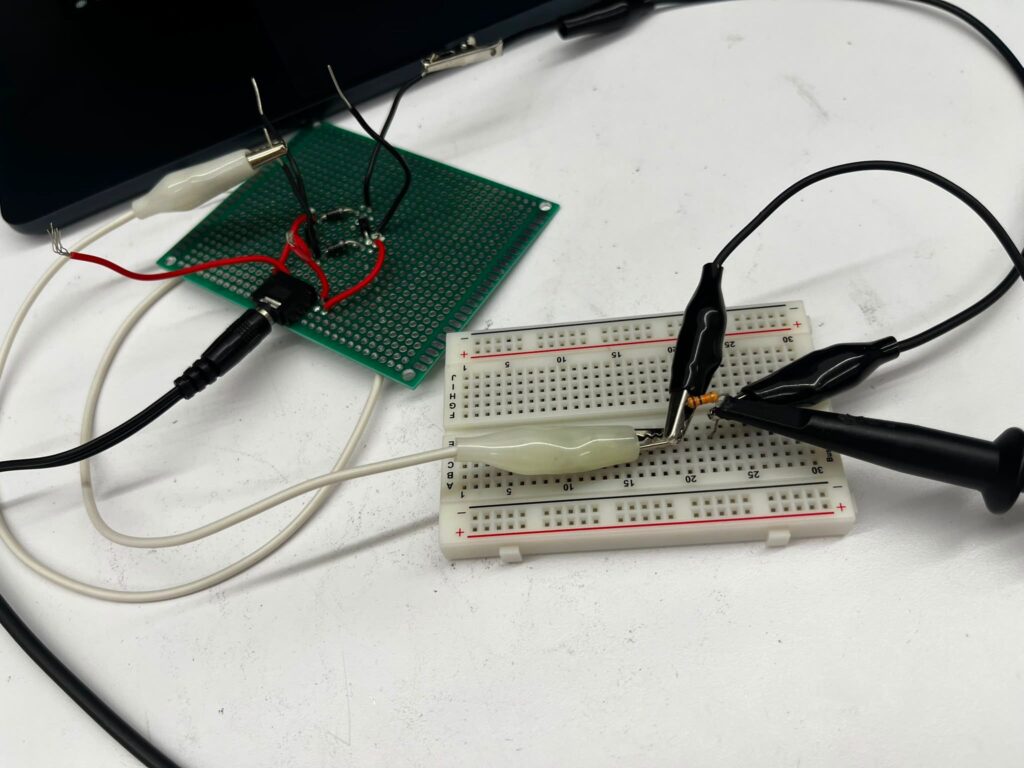
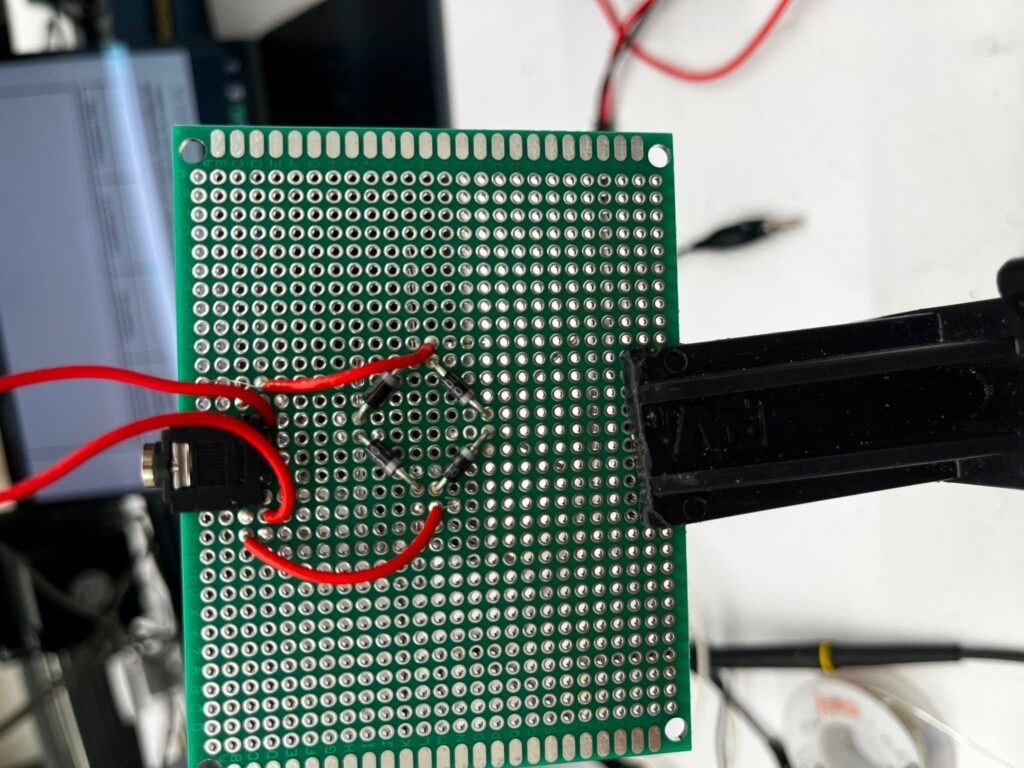
Many people think that chips are found only in computers or smartphones. In reality, they are almost everywhere. From the moment you wake up until you go to bed, you use dozens of devices that contain at least one chip.
Your day might begin with your phone alarm. The chip inside your phone makes the alarm ring, turns on the screen, and connects the device to the internet.
When you make coffee, a small control chip regulates the water temperature inside the coffee machine. Even a toaster, microwave oven, or electric kettle relies on electronic control chips to perform specific tasks.
Things become even more interesting when you get into your car. A modern vehicle may contain thousands of chips. Different chips control the engine, braking system, airbags, navigation, rear-view camera, climate control, and many other electronic features.
Many household appliances are now “smart” as well. Washing machines, dishwashers, robot vacuum cleaners, air conditioners, televisions, Wi-Fi routers, smart speakers, and security cameras all depend on chips.
In fact, chips can also be found in products we rarely think about, including:
• Credit cards
• Passports
• National ID cards
• Public transportation cards
• Smartwatches
• Wireless earbuds
• Printers
• Game consoles
• Drones
• Medical devices
• Traffic lights
• Elevators
All of these devices rely on chips to function.
Beyond everyday life, millions of chips are used in industrial robots, factory production lines, MRI and CT scanners in hospitals, airplanes, satellites, and spacecraft.
Perhaps the better question to ask yourself is:
How many electronic devices have I used today that do not contain a chip?
The answer is probably far fewer than you think.
5. Which Is the Smartest Chip in Your Home?
The answers people give to this question are often surprising.
Some say the television.
Others point to the refrigerator.
Some believe the washing machine or the robot vacuum cleaner is the smartest device in the house.
In most homes, however, the most advanced chip is probably the one inside a smartphone.
This is not simply because a smartphone can perform many tasks. Modern smartphone processors are incredibly sophisticated systems containing billions of transistors. A single chip may include the CPU, GPU, AI engine, image processor, security module, and communication systems, all working together.
When you take a photo with your phone, it does much more than simply save an image.
At the same time, it can:
• Recognize faces
• Enhance image quality
• Adjust lighting
• Reduce image noise
• Read text
• Analyze sound
• Connect to the internet
All of these operations take place in just a fraction of a second.
However, there is no single correct answer to the question, “Which is the smartest chip?”
The graphics processor in a gaming computer may be far more powerful than the processor in a smartphone.
An AI accelerator in a data center can perform hundreds of times more calculations than a mobile chip.
Meanwhile, the safety chip in a modern car performs life-critical tasks that are just as important, even if they require a different kind of intelligence.
In other words, being “smart” is not simply about speed or computing power. It also depends on what the chip is designed to do.
Perhaps the better question is not:
“Which chip is the most powerful?”
but rather:
“Which chip solves the most complex problem?”
The answer depends entirely on the device you are using. The AI chip in your smartphone, the brake control chip in your car, or the modem chip that connects you to the internet may each be the “smartest” within their own role.
That is why your home does not contain just one smart chip. It contains dozens of specialized chips working together, each performing its own task quietly and invisibly behind the scenes.
6. What Is Inside a Chip?
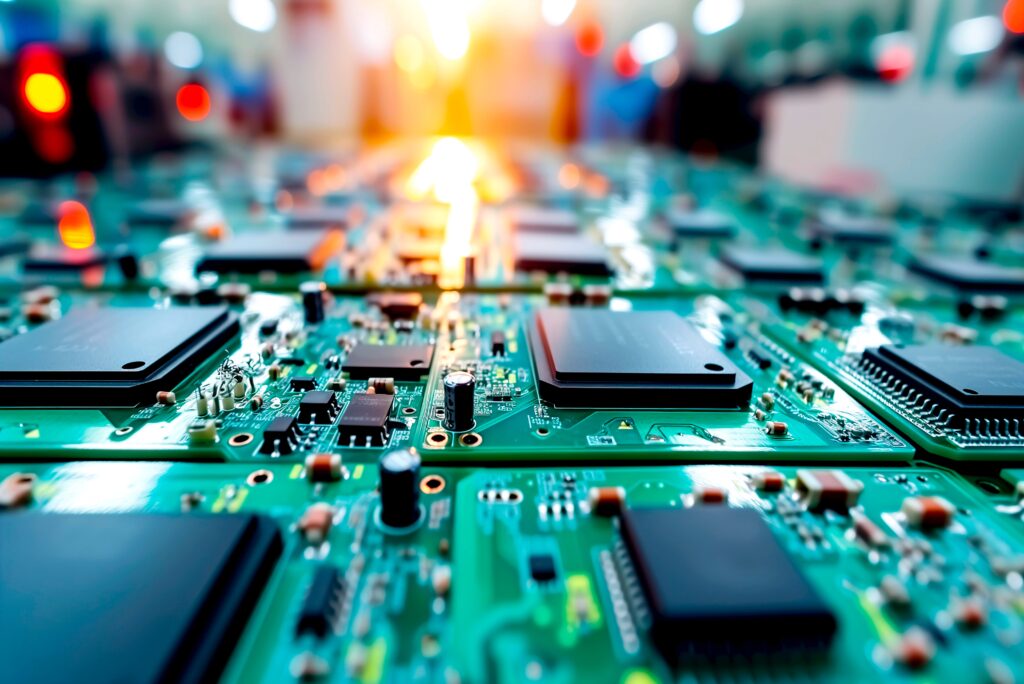
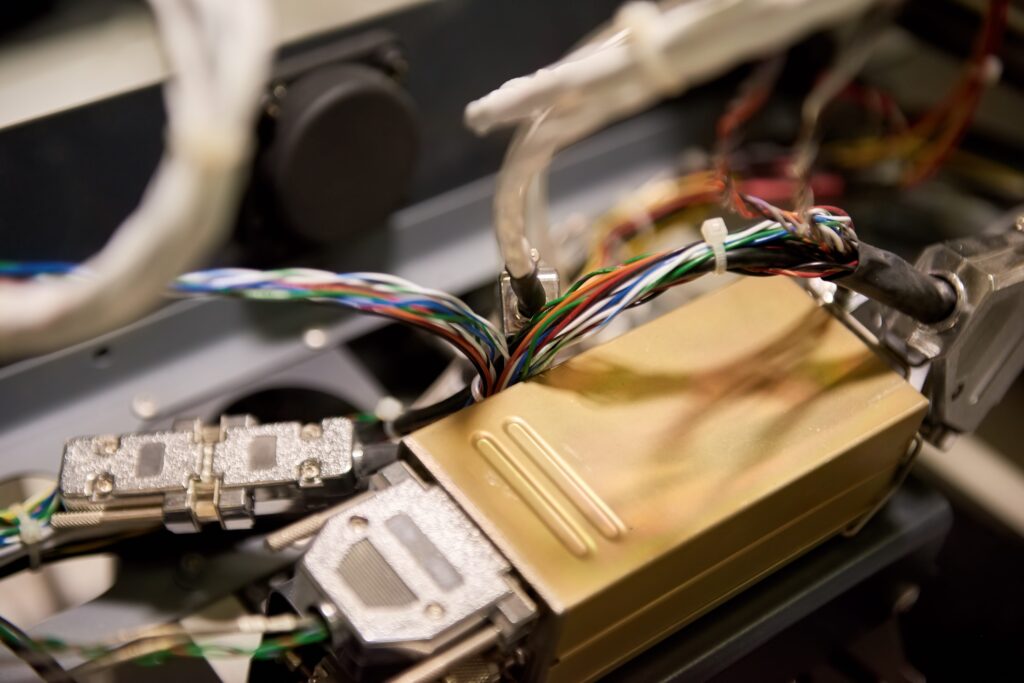
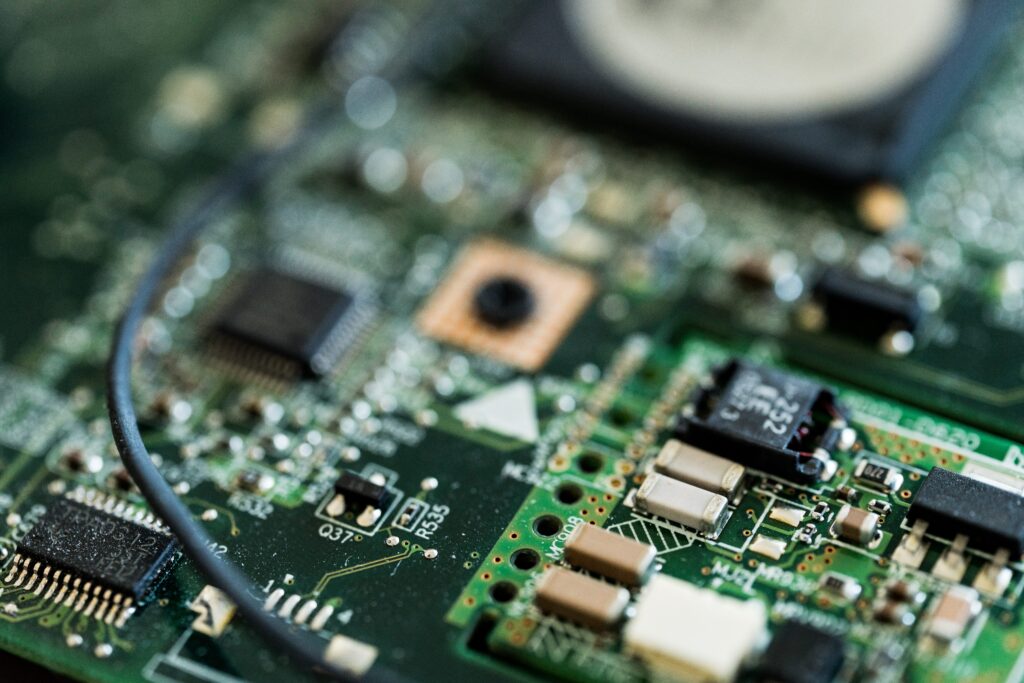
When you look at a chip from the outside, you see a small, flat, usually black component that looks fairly ordinary. Inside it, however, is one of the most complex engineering achievements ever created.
A chip can contain millions, billions, and in the most advanced designs, even hundreds of billions of transistors.
So, what is a transistor?
In the simplest terms, a transistor is an electronic switch that can turn electrical current on or off. You can think of it like a light switch in your home. By itself, it has only two basic states: on or off.
Computers process information using just two numbers:
0 and 1.
A transistor that is off can be thought of as a “0,” while one that is on can be thought of as a “1.” When billions of transistors switch on and off billions of times every second, they can process photos, play videos, run games, and perform the calculations required by artificial intelligence models.
But a chip contains much more than transistors.
Inside a chip, you can also find:
• Extremely thin metal pathways connecting transistors
• Connections that carry electrical signals
• Memory cells
• Logic circuits
• A clock system
• Input and output units
These structures are incredibly small.
A human hair is roughly 70,000 to 100,000 nanometers thick.
In today’s most advanced chips, some structures are only 2 to 3 nanometers in scale.
In other words, tens of thousands of tiny electronic structures can fit across the width of a single human hair.
And all of this exists on a piece of silicon only a few square centimeters in size.
To the human eye, a chip looks like one simple object. But inside, it behaves more like a microscopic city. Electrical signals move through tiny pathways, billions of transistors switch on and off, and enormous numbers of operations happen every second.
That is why a chip is not just a small electronic component. It is a vast engineering system operating at a microscopic scale.
7. Why Are Chips Made from Silicon?
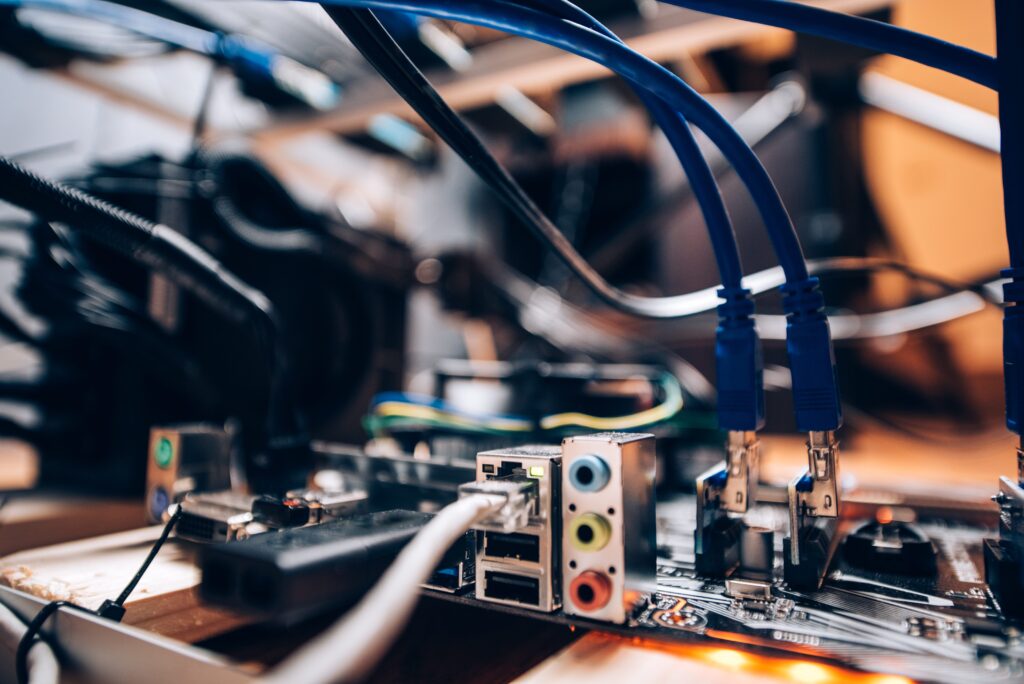
The main material used in most chips is not gold, copper, or iron.
It is silicon.
But why silicon?
Silicon has a special property: it is neither a perfect conductor nor a perfect insulator. In other words, it can be controlled so that electricity passes through it under some conditions and is blocked under others.
This is exactly what makes transistors possible.
If chips were made entirely from copper, electricity would flow too freely.
If they were made from glass, electricity would hardly flow at all.
Silicon sits in between. Engineers can modify its electrical behavior through carefully controlled processes.
Another major advantage is that silicon is abundant in nature.
Its source is surprisingly ordinary:
sand.
Of course, beach sand cannot simply be turned directly into a chip.
The silicon dioxide, or SiO₂, found in sand is processed and purified at very high temperatures. The goal is to produce silicon of extremely high purity.
The purity required for semiconductor manufacturing is extraordinary, often reaching around 99.999999999% or higher.
Even tiny impurities can interfere with the performance of a chip.
Once purified, the silicon is formed into large cylindrical crystals.
These crystals are then sliced into very thin circular discs called wafers.
Chip manufacturing takes place on the surface of these wafers.
From smartphones to supercomputers, nearly every modern processor shares this same basic origin:
It begins with silicon derived from an ordinary-looking material found in nature.
That may be one of the most remarkable facts about chip technology.
At the heart of some of the world’s most advanced computing systems is a material that has existed in the Earth for millions of years.
8. How Does Sand Become a Chip?
Turning sand into a chip may sound like science fiction. Yet the phones, computers, and artificial intelligence systems we use today ultimately begin with a material found in sand.
Of course, ordinary beach sand is not taken directly to a factory and turned into chips.
The first step is to extract silicon dioxide (SiO₂) from the sand. Through chemical processes carried out at very high temperatures, extremely pure silicon is produced.
This silicon is then melted and formed into a single, nearly flawless crystal. In chip manufacturing, even a tiny defect can cause billions of transistors to malfunction.
The resulting cylindrical crystal is sliced into very thin discs. These shiny discs are called wafers.
This is where chip manufacturing truly begins.
First, the wafer is thoroughly cleaned. Then a special light-sensitive coating is applied to its surface. Extremely powerful ultraviolet light systems are used to transfer the chip design onto the wafer, almost like printing a photograph.
Next, unwanted areas are removed through chemical processes.
And this does not happen just once.
The process is repeated dozens, sometimes hundreds, of times.
With each layer, new circuits, new connections, and new transistor structures are created.
After that, microscopic metal connections are added to the wafer so that billions of transistors can communicate with one another.
Once manufacturing is complete, the wafer is cut into small individual pieces.
Each of those tiny pieces is a chip.
In the final stage, the chips are placed inside protective packages, tested, and prepared to be installed in phones, computers, cars, or other electronic devices.
In short, a chip begins with sand and passes through hundreds of highly precise manufacturing steps before becoming one of the most complex engineering products in the world.
9. How Are Chips Designed?
Before a chip can be manufactured, it must first go through a long and complex design process.
That is because once manufacturing begins, there is very little room for error.
Engineers first decide what the chip is supposed to do.
Will it be a smartphone processor?
Will it control a car?
Will it run artificial intelligence applications?
Or will it simply manage a washing machine?
The answers to these questions shape the entire design.
Next, electronic engineers use specialized computer software to determine how billions of transistors should be connected.
This is not like drawing a normal circuit by hand.
Modern chips are so complex that no engineer places every transistor individually.
Instead, engineers use advanced design tools that convert logical circuit descriptions into layouts containing billions of transistors.
The design is then simulated again and again.
In other words, the chip is tested in a computer environment before it is ever physically manufactured.
Engineers measure power consumption.
They calculate heat generation.
They check for errors.
Sometimes, a single mistake can force months of work to be revised.
Once the design is complete, it becomes an enormous digital blueprint containing millions of lines of data.
That data is then ready to be sent to a semiconductor fabrication plant.
And here is the interesting part:
Some of the world’s largest technology companies do not manufacture chips at all.
They only design them.
The actual manufacturing is carried out by specialized semiconductor foundries.
So, creating a single chip is ultimately the result of years of collaboration among hundreds of engineers.
10. How Is a Chip Manufactured?
Manufacturing a chip is one of the most precise production processes in the world.
The reason is simple: the structures inside a chip are so small that they are invisible to the human eye.
Chip production takes place entirely in clean rooms.
These facilities are so clean that the air contains far fewer dust particles than even a hospital operating room.
Why is this necessary?
Because a single microscopic speck of dust can damage a chip containing billions of transistors, making it unusable.
The manufacturing process begins when a silicon wafer is placed into production equipment.
Thin layers of different materials are deposited onto the wafer.
Next, photolithography machines use extremely powerful ultraviolet light to transfer the chip’s design onto the wafer.
The unwanted material is then removed through chemical etching.
Another layer is added.
Light is applied again.
The wafer is etched again.
This process is repeated dozens of times, with each cycle making the chip more complex.
In the final stages, microscopic metal connections are added to link billions of transistors together.
The completed wafer is then tested.
The working chips are cut into individual pieces.
Each chip is packaged inside a protective case.
Electrical tests are performed.
After passing quality control, the chips are ready to be installed in electronic devices.
Producing a modern processor can take several months.
Even then, not every chip on a wafer is perfect. Some fail testing and cannot be used.
For this reason, semiconductor manufacturing is considered one of the most challenging production processes in the world, both technologically and economically.
11. Why Is It Important for a Country to Produce Its Own Chips?
For many years, oil, coal, and natural gas were considered the world’s most strategic resources.
Today, another resource has joined that list:
Semiconductor chips.
Nearly every critical system in modern society depends on them. Smartphones, computers, automobiles, hospitals, power plants, communication networks, banking systems, artificial intelligence, and even national defense all rely on advanced chips.
As a result, many governments now view semiconductors not only as commercial products but also as matters of national security.
Why?
Because a country that cannot produce its own chips becomes dependent on chips manufactured elsewhere. If wars, natural disasters, pandemics, or political conflicts interrupt the global supply chain, manufacturing can slow down or even stop completely.
One of the clearest examples was the global semiconductor shortage that began in 2020. Car manufacturers were forced to suspend production, electronic products became more expensive, and waiting months for certain devices became common.
But the issue goes far beyond economics.
Modern fighter aircraft, satellites, missile systems, secure communications, and many other critical technologies require advanced chips. For this reason, many countries tightly control the export of their most advanced semiconductor technologies. Some products cannot be sold abroad because of national security concerns.
This has made semiconductor manufacturing as strategically important as energy or food production.
Of course, not every country can manufacture the world’s most advanced chips. Doing so requires investments worth hundreds of billions of dollars, decades of research, and thousands of highly skilled engineers.
Even so, many nations are working to strengthen their semiconductor industries by investing in chip design, research centers, education, and manufacturing.
Today, producing chips is about much more than technology.
It is also about economic independence, national security, scientific leadership, and long-term competitiveness.
12. How Will Chip Technology Change Our Future?
The smartphones, computers, and smart devices we use today may be only the beginning.
As chip technology continues to improve, electronic systems are becoming faster, smaller, and more energy efficient. More importantly, they are becoming capable of performing tasks that once seemed impossible.
Artificial intelligence is one of the best examples.
Modern AI systems require enormous computing power, and that power comes from increasingly advanced chips. As semiconductor technology improves, AI can do much more than answer questions. It can help diagnose diseases, accelerate the discovery of new medicines, improve climate models, and support scientific research.
Self-driving vehicles are another example. An autonomous car constantly processes millions of pieces of information from cameras, radar, and sensors to understand its surroundings and make driving decisions. All of this depends on powerful semiconductor chips.
Healthcare is also being transformed. Wearable devices can continuously monitor heart rate and other health indicators. Future medical sensors may detect diseases much earlier, while tiny electronic devices implanted inside the body could help monitor or even treat medical conditions.
From space exploration and renewable energy to agriculture and education, more capable chips are enabling entirely new technologies.
Yet these advances also raise important social questions.
Who will develop the next generation of artificial intelligence?
Who will have access to these technologies?
Who will control the enormous amounts of data they generate?
Will new technologies reduce inequality, or create even greater divides?
Perhaps the most important question of the future will not simply be:
“Can we build more powerful chips?”
Instead, it may be:
“Can we ensure these technologies are used in ways that are fair, secure, and beneficial for everyone?”
Chips alone will not determine the future.
But they will be one of the most important technologies shaping it.
Understanding chips, therefore, is not only about understanding electronic engineering. It is also about understanding economics, international relations, security, artificial intelligence, and society itself.